-
Posted on: 07 Jan 2026
-
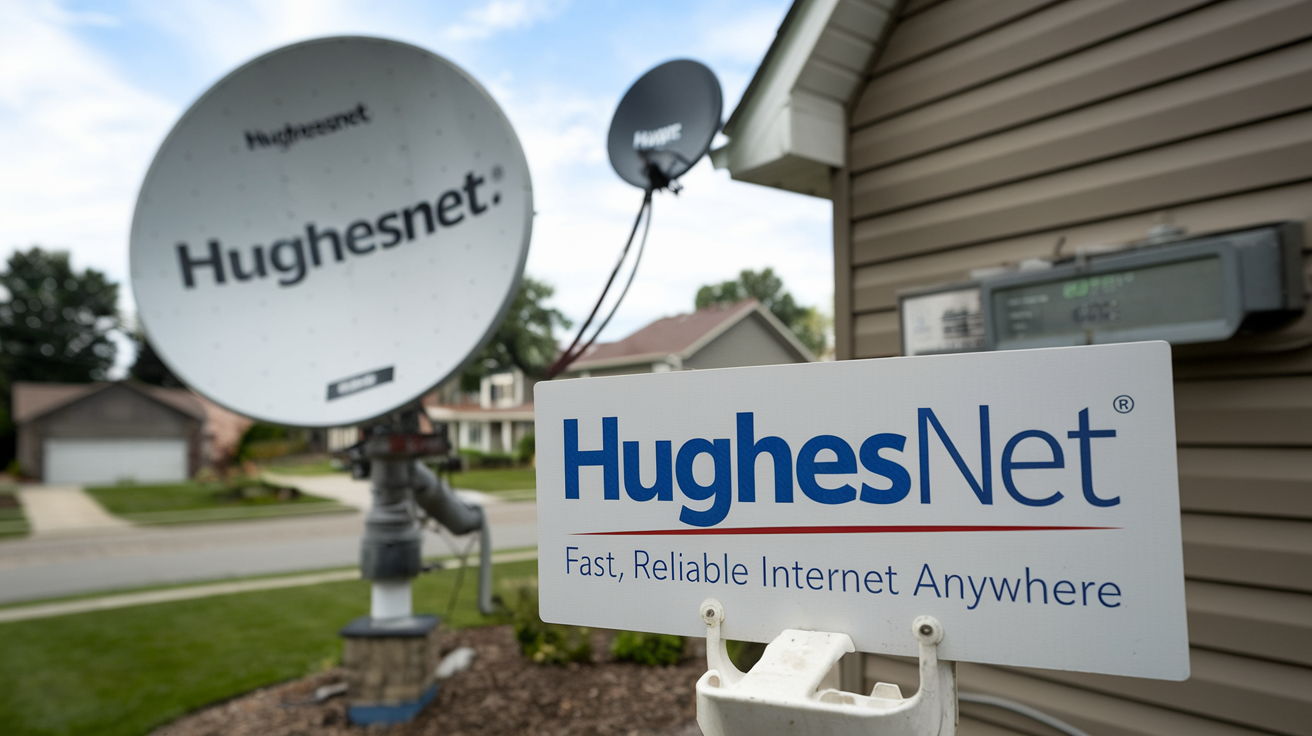
Understanding the monthly charge for Hughesnet is crucial for anyone considering satellite internet. This guide breaks down the costs, including plan specifics, equipment fees, and potential extra charges, ensuring you know exactly what to expect financially in 2025-26.
Understanding HughesNet Pricing
HughesNet, a leading satellite internet provider, offers internet access to areas where traditional broadband options like DSL, cable, or fiber are unavailable or unreliable. The core of understanding its monthly charge lies in dissecting its service plans, equipment policies, and any associated fees. In 2025-26, HughesNet continues to adapt its pricing structures to remain competitive and cater to varying customer needs, especially in rural and underserved regions. The monthly charge isn't a single, fixed number; it's a composite of the chosen plan's base price, potential equipment lease or purchase costs, installation fees, and any optional add-ons or usage-based charges that might apply. For many, the allure of HughesNet is its widespread availability, but this comes with a specific cost structure that differs significantly from terrestrial internet services. This guide aims to demystify these costs, providing a clear picture of what to expect when signing up for HughesNet service.
HughesNet Plans and Their Monthly Costs (2025-26)
HughesNet offers a tiered approach to its internet plans, each designed with different data allowances and speeds to suit various user requirements. The monthly charge is primarily determined by the specific plan you select. While exact pricing can fluctuate and is often subject to promotional offers, understanding the typical structure provides a solid baseline. As of 2025-26, HughesNet typically offers plans that include a set amount of high-speed data per month, after which speeds may be reduced, or data usage might be subject to deprioritization during network congestion. These plans are generally categorized by their monthly data allowances, such as 100 GB, 150 GB, or even higher tiers for power users, though the definition of "high-speed" can vary. It's important to note that HughesNet often advertises an introductory price that lasts for a specific period (e.g., 12 or 24 months), after which the price will increase to the standard rate. Therefore, when evaluating the monthly charge, consider both the promotional price and the long-term cost.
HughesNet Satellite Internet Plans: A 2025-26 Overview
HughesNet's plan offerings are structured around data caps and speeds. The primary differentiator in monthly cost is the amount of high-speed data you get. These plans are tailored for users who need internet connectivity in areas without other options. The focus is on providing a reliable connection, even if it means managing data usage carefully. For 2025-26, the plans generally include:
- Base Plans: These typically offer a fixed amount of high-speed data (e.g., 100 GB, 150 GB) for the month. Once this data allowance is consumed, speeds are often reduced to "unlimited basic" speeds, which are suitable for basic browsing and email but can be slow for streaming or large downloads.
- Speed Tiers: While all plans offer a certain download and upload speed, the higher-tier plans might offer slightly faster speeds or more robust performance during peak usage times. However, the primary constraint for satellite internet is always latency, not just raw speed.
- Promotional Pricing: New customers often benefit from significant discounts for the first 12 or 24 months. This is a critical factor when calculating the initial monthly charge.
- Standard Pricing: After the promotional period ends, the monthly cost will revert to the standard rate, which is higher. It's crucial to be aware of this transition.
Typical Monthly Costs (Estimates for 2025-26)
To provide a concrete idea, here are estimated monthly charges for common HughesNet plans in 2025-26. These figures are illustrative and can vary based on your location, current promotions, and specific contract terms. Always verify with HughesNet directly for the most accurate pricing.
Plan Name (Example) High-Speed Data Allowance Promotional Monthly Price (First 12-24 Months) Standard Monthly Price (After Promo) Estimated Latency HughesNet Internet 100 GB 100 GB ~$64.99 - $74.99 ~$89.99 - $99.99 ~500-800 ms HughesNet Internet 150 GB 150 GB ~$74.99 - $84.99 ~$104.99 - $114.99 ~500-800 ms HughesNet Internet 200 GB (if available) 200 GB ~$84.99 - $94.99 ~$119.99 - $129.99 ~500-800 ms Note: These prices are estimates for 2025-26 and do not include potential equipment fees, installation charges, or taxes. Actual prices may vary.
It's essential to understand that the "monthly charge" includes more than just the base internet service. Equipment rental or purchase, installation, and potential overage charges (though HughesNet typically throttles speeds rather than charging overages for data used beyond the allowance) all contribute to the total cost of ownership. For instance, a plan advertised at $64.99 might end up costing closer to $80-$90 per month once equipment rental is factored in. Always ask for a full breakdown of all charges before signing up.
Equipment Costs and Fees
The equipment required for HughesNet satellite internet is a significant component of the overall cost. This includes the satellite dish, modem, and associated cabling. HughesNet offers two primary options for obtaining this equipment: leasing it from them or purchasing it outright. Each option has different implications for your monthly charge and upfront costs.
Equipment Leasing Option
The most common approach for HughesNet customers is to lease the equipment. This typically involves a monthly fee that is added to your internet service bill. The advantage of leasing is that it usually covers maintenance and replacement of the equipment if it malfunctions. This can be a significant benefit, as satellite equipment can be sensitive to weather and wear and tear.
- Monthly Lease Fee: As of 2025-26, the monthly equipment lease fee for HughesNet typically ranges from $15 to $20. This fee is added to your base internet plan cost, directly impacting your total monthly charge.
- No Upfront Cost (Often): In many cases, leasing the equipment means there's no large upfront payment required for the hardware. This makes the initial barrier to entry lower for customers.
- Maintenance and Replacement: If the leased equipment fails, HughesNet is generally responsible for its repair or replacement at no additional cost to you, provided the damage isn't due to negligence or misuse.
- Contractual Obligation: Leasing the equipment is usually tied to your service contract. If you terminate service early, you may be required to return the equipment, and failure to do so could result in penalties.
Equipment Purchase Option
HughesNet may also offer the option to purchase the equipment outright. This is a less common route for many customers due to the high upfront cost, but it can be more cost-effective in the long run if you plan to keep the service for an extended period.
- High Upfront Cost: Purchasing the full satellite system can cost several hundred dollars, sometimes upwards of $400-$600. This is a significant initial investment.
- No Monthly Lease Fee: The primary benefit of purchasing is eliminating the recurring monthly equipment lease fee. This can lead to substantial savings over time.
- Responsibility for Maintenance: If you own the equipment, you are responsible for its maintenance and replacement. This means if the dish or modem fails, you'll have to pay for repairs or new hardware.
- Ownership and Portability: Owning the equipment gives you more flexibility. If you move within a HughesNet service area, you can often take your equipment with you.
Which Option is Right for You?
The choice between leasing and purchasing depends on your financial situation and long-term commitment to HughesNet. For most users, especially those uncertain about their long-term needs or concerned about upfront costs, leasing is the more practical and common choice. The monthly charge will be higher due to the lease fee, but it offers peace of mind regarding equipment issues. If you are very budget-conscious in the long term and anticipate staying with HughesNet for many years, purchasing might be a better financial decision, despite the initial outlay. Always clarify the exact costs and terms for both options when speaking with a HughesNet representative.
Installation and Setup Charges
Beyond the monthly service and equipment costs, the initial installation and setup of your HughesNet service represent another crucial part of the total expense. For satellite internet, professional installation is almost always required due to the precise alignment needed for the satellite dish. Understanding these charges upfront can prevent surprises on your first bill.
Professional Installation
HughesNet requires a professional installer to set up your satellite dish, modem, and connect them to your home's internal wiring. This ensures optimal signal reception and proper functioning of the service. The cost associated with this professional installation can vary.
- Standard Installation Fee: In 2025-26, a standard professional installation fee for HughesNet can range from $99 to $199. This fee covers the technician's time, travel, and the physical setup of the equipment.
- Promotional Offers: It's common for HughesNet to offer free or heavily discounted installation as part of promotional packages, especially for new customers. These offers can significantly reduce the upfront cost. Always inquire about current promotions.
- Complex Installations: In some cases, installation might be more complex. This could involve longer cable runs, mounting the dish in a difficult-to-access location, or requiring additional specialized equipment. These situations might incur extra charges beyond the standard fee. For example, if the installer needs to run cable over 100 feet, there might be a per-foot charge for the excess cable.
- Self-Installation (Rare/Not Recommended): While some providers might offer self-installation kits for certain services, it's generally not an option for satellite internet like HughesNet due to the technical expertise required for dish alignment. Attempting a DIY installation would likely lead to poor performance or complete service failure.
What the Installation Fee Typically Covers
The installation fee generally covers:
- Site survey to determine the best location for the dish.
- Mounting of the satellite dish.
- Running coaxial cable from the dish to the modem location.
- Installation and configuration of the satellite modem.
- Testing the signal strength and internet connectivity.
- Basic setup of your home network (e.g., connecting a router if you provide one).
Timing of the Charge
The installation fee is typically charged either at the time of installation by the technician or added to your first monthly bill. It's essential to confirm this with the sales representative and the installer. If it's added to your first bill, be prepared for that bill to be higher than subsequent monthly charges.
Given that the installation fee can be a significant upfront cost, actively seeking out promotional offers for free or reduced installation is highly recommended. This can make the initial investment in HughesNet service much more manageable, especially when combined with introductory pricing on the monthly service plans.
Additional Charges and Considerations
Beyond the core components of monthly service, equipment, and installation, there are other potential charges and factors that can influence your overall HughesNet bill. Understanding these nuances is key to accurately forecasting your monthly expenditure and avoiding unexpected costs.
Data Overage Policies (and HughesNet's Approach)
Historically, satellite internet providers have had strict data caps and charged significant overage fees. However, HughesNet's approach in 2025-26 has evolved. While they still have monthly high-speed data allowances, their policy generally involves throttling speeds rather than charging for overages once you exceed your allowance. This means you'll still have internet access, but at a significantly reduced speed, making activities like streaming video or large downloads very slow.
- Unlimited Basic Internet: After your high-speed data allowance is used, you transition to unlimited basic internet. This is a crucial distinction from traditional overage charges.
- Speed Throttling: Be prepared for a noticeable slowdown in internet speed. This can impact productivity and entertainment.
- Data Bonus Zone: HughesNet often includes a "Data Bonus Zone" where customers can download additional data during off-peak hours (typically late night to early morning) without it counting against their monthly high-speed allowance. This can be a valuable feature for managing data usage.
Service Contract Length
HughesNet typically requires customers to sign a 24-month service agreement. While this contract doesn't usually add a direct monthly fee, it imposes penalties for early termination. Understanding this commitment is vital.
- Early Termination Fee (ETF): If you cancel your HughesNet service before the 24-month contract period ends, you will likely incur an Early Termination Fee. This fee can be substantial, often prorated based on how much time is left on the contract (e.g., $15-$20 for each month remaining). This is a significant financial consideration if you anticipate moving or finding alternative service options.
Optional Add-ons and Services
HughesNet may offer optional services that can increase your monthly charge. These are usually not included in the base plan price.
- Static IP Address: For businesses or advanced users who require a static IP address, there might be an additional monthly fee.
- Enhanced Support Plans: While not common for residential users, some providers offer premium support packages for an extra cost.
Taxes and Surcharges
Like most utility and telecommunication services, your HughesNet bill will include federal, state, and local taxes, as well as regulatory fees and surcharges. These vary by location and can add a noticeable percentage to your total monthly bill. It's difficult to estimate these precisely without knowing your specific location, but they can easily add 5-15% or more to the advertised price.
Potential for Price Increases
As mentioned earlier, introductory promotional pricing is common. After the initial contract period (often 12 or 24 months), the monthly price will revert to the standard rate, which is higher. It's crucial to be aware of this price increase and factor it into your long-term budget if you plan to continue the service.
By considering these additional factors—data policies, contract terms, potential add-ons, taxes, and future price adjustments—you can gain a more comprehensive understanding of the true monthly charge for HughesNet service beyond the advertised plan price.
Factors Influencing Your Monthly Bill
Several key elements converge to determine the final monthly charge for your HughesNet service. While the advertised plan price is the starting point, a deeper dive reveals a combination of factors that can either increase or, in some cases, offer opportunities for savings. Understanding these variables is essential for accurate budgeting and making informed decisions about your satellite internet service.
1. Chosen Internet Plan
This is the most significant determinant of your monthly cost. As detailed earlier, HughesNet offers various plans, primarily differentiated by their high-speed data allowances and, to a lesser extent, download/upload speeds. Higher data caps and potentially faster speeds will invariably come with a higher monthly price. For 2025-26, plans typically range from 100 GB to 200 GB of high-speed data, with prices reflecting these tiers.
2. Promotional Offers and Contract Duration
HughesNet frequently utilizes introductory pricing to attract new customers. These promotions, often lasting 12 or 24 months, significantly reduce the monthly charge during the initial period. However, it's critical to note the standard price that applies after the promotion ends. The length of your service contract (typically 24 months) also plays a role, as it dictates the duration of the promotional pricing and the penalties for early termination.
3. Equipment Options (Lease vs. Purchase)
Your decision on how to acquire the necessary satellite equipment—leasing from HughesNet or purchasing it outright—directly impacts your monthly bill.
- Leasing: Involves a recurring monthly fee (e.g., $15-$20) added to your bill. This option typically has no upfront hardware cost but increases the ongoing monthly expense.
- Purchasing: Requires a substantial upfront payment (hundreds of dollars) but eliminates the monthly lease fee, potentially lowering the long-term monthly cost after the initial investment is recouped.
4. Installation Fees
The one-time cost for professional installation is a factor in your initial billing cycle. While standard installation fees can range from $99 to $199, HughesNet often offers free or discounted installation as part of promotional packages. This fee might be paid upfront or added to your first bill.
5. Location and Applicable Taxes/Fees
Your geographical location plays a role in the final monthly charge due to varying state and local taxes, as well as regulatory fees and surcharges imposed by government entities. These can add a significant percentage to the base price of your service and equipment.
6. Usage Patterns and Data Consumption
While HughesNet generally throttles speeds rather than charging overages, your data consumption habits still influence your experience and potentially your need for higher-tier plans. If you consistently approach your high-speed data limit, you might consider a plan with a larger data allowance, which would increase your monthly charge. Utilizing the "Data Bonus Zone" during off-peak hours can help manage data usage without incurring additional costs.
7. Optional Services and Add-ons
Any additional services you opt for, such as a static IP address (more common for business users) or enhanced support plans, will add to your monthly bill. These are typically optional and not part of the standard package.
Summary Table of Influencing Factors
To consolidate, here's a quick overview of how each factor impacts your monthly bill:
Factor Impact on Monthly Bill Notes Internet Plan Directly Increases Bill Higher data = higher cost. Promotional Pricing Decreases Bill (Temporarily) Standard rate applies after promo period. Equipment Lease Directly Increases Bill Recurring monthly fee. Equipment Purchase No Monthly Increase (High Upfront) Saves money long-term vs. lease. Installation Fee One-Time Increase (or on 1st Bill) Can be waived with promotions. Taxes & Fees Directly Increases Bill Varies by location. Data Usage Indirectly (Potential need for higher plan) Throttling, not overage charges. Optional Services Directly Increases Bill Add-ons like static IP. By carefully considering each of these factors, prospective HughesNet customers can arrive at a more accurate estimation of their actual monthly charge and make a decision that aligns with their budget and connectivity needs.
Comparing HughesNet to Alternatives
When considering the monthly charge for HughesNet, it's essential to place it in the context of available alternatives. HughesNet primarily serves areas where traditional broadband is not an option. Therefore, its closest competitors are often other satellite providers or fixed wireless services. Understanding these comparisons helps in evaluating whether HughesNet's pricing is justified for the service it provides.
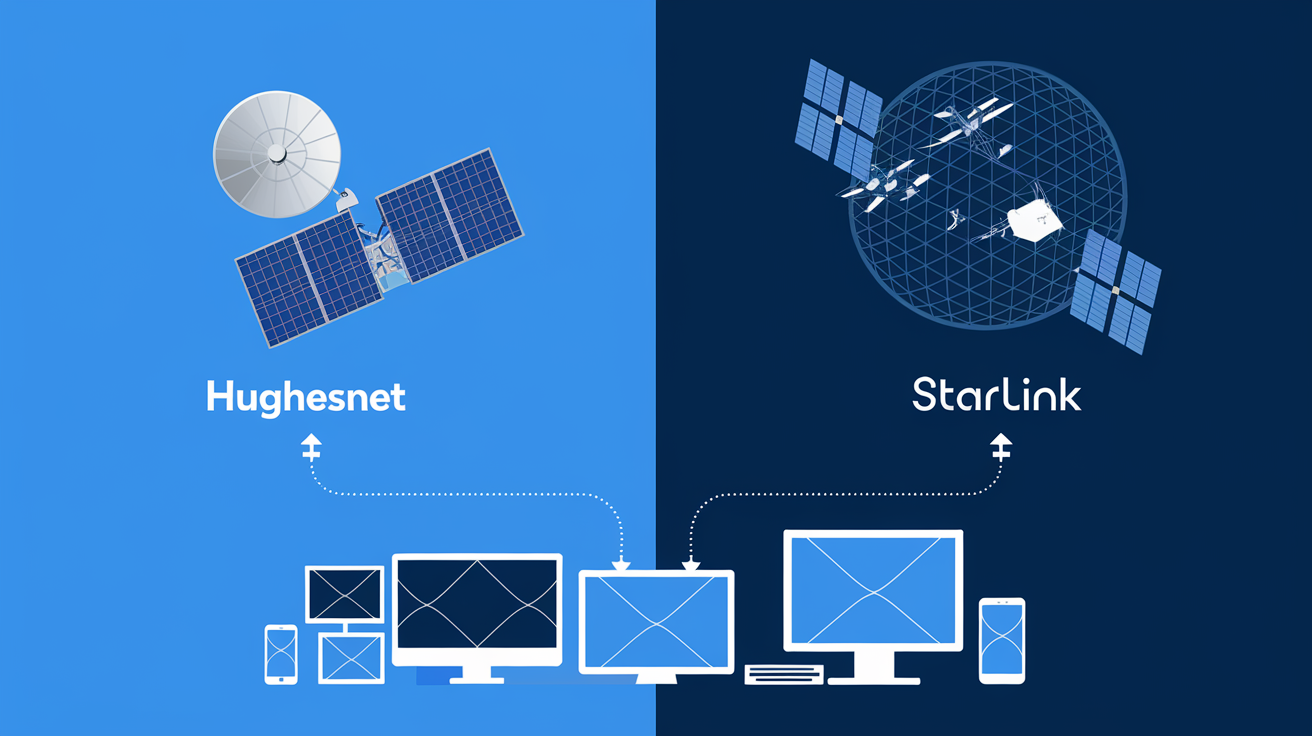
HughesNet vs. Other Satellite Internet (e.g., Starlink)
Starlink, SpaceX's satellite internet service, has emerged as a significant competitor to traditional satellite providers like HughesNet. While both use satellites, their technology and pricing models differ.
- Technology: HughesNet uses geostationary satellites (GEO) that are far from Earth, resulting in higher latency. Starlink uses a constellation of low-Earth orbit (LEO) satellites, offering significantly lower latency and generally higher speeds.
- Monthly Cost:
- HughesNet: As discussed, monthly plans range from approximately $65 to $130 (including estimated equipment lease), with promotional pricing for the first 12-24 months.
- Starlink: Typically offers a single residential plan with a higher monthly cost (often around $120-$150) but includes the equipment in the monthly fee or as a substantial upfront purchase. Starlink's pricing can also fluctuate and may include regional adjustments.
- Data Caps: HughesNet has explicit high-speed data caps, after which speeds are throttled. Starlink has introduced "priority" data allowances, after which speeds may be deprioritized during network congestion, but generally offers more flexibility for typical home use.
- Availability: HughesNet is widely available across the US. Starlink's availability is expanding rapidly but can still be subject to waiting lists in some areas.
Conclusion: For users prioritizing lower latency and potentially higher speeds, Starlink might be preferable, but it often comes with a higher monthly cost and a significant upfront hardware investment. HughesNet remains a viable option for those needing basic connectivity where Starlink isn't yet available or if its lower introductory pricing is a primary concern.
HughesNet vs. Fixed Wireless Internet
Fixed wireless internet uses radio waves to transmit data from a tower to a receiver antenna installed at your home. It's an alternative for rural and suburban areas.
- Technology: Fixed wireless requires line-of-sight between your home and the provider's tower. It generally offers lower latency than satellite but can be affected by distance and obstructions.
- Monthly Cost: Fixed wireless plans can be competitive with HughesNet's introductory pricing, often ranging from $50 to $100 per month, depending on data caps and speeds. Equipment costs can vary, with some providers including it in the monthly fee or charging a one-time purchase/installation fee.
- Data Caps: Similar to satellite, fixed wireless plans often have data caps, though some providers offer unlimited plans.
- Availability: Fixed wireless availability is limited to areas with existing tower infrastructure and clear line-of-sight.
Conclusion: If fixed wireless is available in your area, it often provides a better balance of speed, latency, and cost compared to HughesNet. However, its availability is geographically restricted.
HughesNet vs. DSL Internet
DSL (Digital Subscriber Line) uses existing telephone lines to provide internet access. It's typically available in areas with telephone infrastructure.
- Technology: DSL speeds are highly dependent on distance from the provider's central office. Latency is generally much lower than satellite.
- Monthly Cost: DSL plans can be very affordable, often starting from $30-$60 per month for basic plans. Higher speed tiers are available but can increase the cost.
- Data Caps: Many DSL providers offer unlimited data.
- Availability: DSL is widely available in areas with active phone lines, but speeds can be significantly slower than cable or fiber, especially in rural locations.
Conclusion: If DSL is available and offers acceptable speeds for your needs, it's often a more cost-effective and lower-latency option than HughesNet. However, DSL speeds can be insufficient for heavy internet users.
HughesNet vs. Mobile Hotspots/Cellular Data
Using a mobile hotspot or a cellular data plan can provide internet access, especially for temporary needs or in areas with strong cellular signals.
- Technology: Relies on cellular networks (4G LTE, 5G). Performance varies greatly with signal strength and network congestion.
- Monthly Cost: Costs can vary widely. Unlimited data plans on mobile devices might cost $50-$100 per month, but often come with strict data throttling after a certain threshold of high-speed data. Dedicated mobile hotspot plans can be more expensive.
- Data Caps: Mobile data plans almost always have high-speed data limits, after which speeds are drastically reduced.
- Reliability: Can be inconsistent, especially in areas with poor cellular coverage or during peak usage times.
Conclusion: Mobile hotspots are generally not a sustainable primary internet solution for a household due to data limitations and potential costs. They are best suited for occasional use or as a backup.
In summary, HughesNet's monthly charge is positioned as a solution for those without other broadband options. Its pricing is generally higher than DSL and some fixed wireless plans, but it offers wider availability. When comparing to newer satellite technologies like Starlink, HughesNet often presents a lower introductory monthly cost but with higher latency and more restrictive data policies.
Maximizing Your HughesNet Value
While HughesNet provides essential internet connectivity in underserved areas, its associated monthly charges and data limitations mean that maximizing its value is paramount. This involves smart usage, taking advantage of plan features, and being aware of cost-saving opportunities. For 2025-26, these strategies can help you get the most out of your satellite internet investment.
1. Understand and Monitor Your Data Usage
The most critical aspect of HughesNet is managing your high-speed data allowance. HughesNet typically throttles speeds significantly after you exceed your monthly high-speed data cap.
- Use the HughesNet App/Website: Regularly check your data usage through the official HughesNet app or customer portal. This allows you to see how much high-speed data you have remaining and adjust your usage accordingly.
- Schedule Large Downloads for Off-Peak Hours: HughesNet often provides a "Data Bonus Zone" during late-night and early-morning hours. Utilize this time for downloading software updates, large files, or streaming content that consumes significant data. This bonus data does not count against your monthly allowance.
- Prioritize Activities: Identify which activities are most data-intensive (e.g., streaming HD video, online gaming, large file transfers) and reserve your high-speed data for these when necessary. Basic web browsing, email, and social media use considerably less data.
2. Optimize Streaming and Downloading
Streaming services and large downloads are the biggest consumers of data.
- Lower Streaming Quality: If you're streaming video, consider reducing the quality from HD to standard definition (SD). This can drastically cut down data usage with minimal impact on viewing for many users.
- Download Content Offline: Services like Netflix, Amazon Prime Video, and YouTube Premium allow you to download movies and shows for offline viewing. Do this during your Data Bonus Zone to save high-speed data.
- Disable Auto-Play Videos: Many websites and social media platforms automatically play videos. Disabling this feature in your browser or app settings can save data.
3. Leverage Promotional Offers and Discounts
HughesNet frequently offers introductory pricing and discounts.
- Negotiate When Signing Up: Always inquire about the latest promotions, including discounts on monthly service and free or reduced installation fees.
- Understand Contract Terms: Be aware of the promotional period length and the standard rate that will apply afterward. If prices are set to increase significantly, consider if the service will still be cost-effective for you.
- Look for Bundles (If Available): While less common for satellite internet, check if HughesNet offers any bundled packages that might provide savings.
4. Consider Equipment Options Wisely
The choice between leasing and purchasing equipment has long-term financial implications.
- Leasing: While it adds to the monthly bill, it covers maintenance and replacement. This can be valuable if you anticipate potential equipment issues.
- Purchasing: If you plan to keep HughesNet for many years, the upfront cost of purchasing the equipment might be recouped through savings on monthly lease fees. However, you assume the risk and cost of repairs.
5. Optimize Your Home Network
A well-configured home network can ensure you're getting the most out of your HughesNet connection.
- Use a Good Router: Ensure your Wi-Fi router is modern and capable of handling your internet speed efficiently.
- Limit Background Applications: Close unnecessary applications that might be running in the background and consuming data or bandwidth.
- Secure Your Wi-Fi: Protect your network with a strong password to prevent unauthorized users from consuming your bandwidth and data.
6. Be Aware of Contract Renewal and Alternatives
As your contract nears its end, reassess your needs and the market.
- Check for New Promotions: HughesNet may offer new customer deals to existing customers who are out of contract.
- Explore New Alternatives: By the time your contract ends, new technologies or providers might have become available in your area. Research these options to ensure you're still getting the best value.
By actively managing data usage, leveraging available features like the Data Bonus Zone, and staying informed about pricing and contract terms, you can significantly improve the value you receive from your HughesNet service and mitigate the impact of its monthly charges.
Understanding Your First Bill
Your first HughesNet bill can often seem more complex than subsequent ones, as it typically includes a combination of one-time charges and prorated service fees. Understanding these components is crucial for accurate financial planning and ensuring you're being billed correctly. For 2025-26, the structure generally remains consistent, but always review it carefully.
Key Components of Your First Bill
Your initial HughesNet statement will likely contain the following:
- Installation Fee: If you paid this at the time of installation, it won't appear on the bill. However, if it was to be billed, it will be listed here. This is a one-time charge for the professional setup of your satellite equipment.
- Equipment Purchase (if applicable): If you chose to purchase your equipment outright, the full cost will be reflected on your first bill.
- Monthly Service Fee (Prorated): Your billing cycle likely starts on a specific day of the month. Your first bill will include a prorated charge for the service from your activation date until the end of your first full billing cycle. For example, if you activate on the 15th of the month and your billing cycle ends on the 30th, you'll be charged for roughly half a month's service.
- Monthly Service Fee (Full Month): In addition to the prorated amount, your first bill will also include the charge for the *next* full month of service. This is why the first bill is often significantly higher than subsequent monthly bills.
- Equipment Lease Fee (if applicable): If you are leasing your equipment, the monthly lease fee will be included. This will also likely be prorated for the first partial month and then charged for the upcoming full month.
- Taxes, Surcharges, and Fees: All applicable federal, state, and local taxes, along with regulatory fees and surcharges, will be applied to the prorated and full-month charges.
Example Scenario for Your First Bill
Let's assume:
- Plan: HughesNet Internet 100 GB (Promotional Price: $74.99/month)
- Equipment Lease: $19.99/month
- Installation Fee: $99.99 (billed on first statement)
- Activation Date: October 18th
- Billing Cycle End Date: November 10th
- Estimated Taxes/Fees: 10%
Your first bill (due around November 10th) might look something like this:
Item Calculation Amount Installation Fee - $99.99 Service (Oct 18 - Nov 10, ~24 days) $74.99 / 30 days * 24 days = ~$60.00 $60.00 Equipment Lease (Oct 18 - Nov 10, ~24 days) $19.99 / 30 days * 24 days = ~$16.00 $16.00 Service (Nov 11 - Dec 10, full month) $74.99 $74.99 Equipment Lease (Nov 11 - Dec 10, full month) $19.99 $19.99 Subtotal (before taxes) $99.99 + $60.00 + $16.00 + $74.99 + $19.99 = $270.97 $270.97 Taxes & Fees (~10%) $270.97 * 0.10 = ~$27.10 $27.10 Total First Bill Amount $270.97 + $27.10 = $298.07 $298.07 Subsequent Bills: Your second bill would typically only include the full monthly service fee, the full monthly equipment lease fee, and taxes/fees for that month, making it significantly lower (around $100-$110 in this example, before any price changes after the promotional period).
Tips for Reviewing Your First Bill
- Verify Activation Date: Ensure the prorated service period matches your actual activation date.
- Check Plan Price: Confirm that the advertised promotional price is reflected correctly.
- Confirm Equipment Fees: Ensure the lease or purchase cost is accurate.
- Understand Taxes and Fees: While these are standard, familiarize yourself with what they cover.
- Contact Customer Service: If anything appears incorrect or confusing, don't hesitate to contact HughesNet customer support immediately to clarify any discrepancies.
By understanding these elements, you can navigate your first HughesNet bill with confidence and have a clear expectation of your ongoing monthly charges.
Conclusion: Making an Informed Decision
The monthly charge for HughesNet in 2025-26 is a multifaceted figure, influenced by your chosen plan, equipment options, installation costs, and contractual terms. While advertised prices can seem straightforward, a comprehensive understanding reveals that the total cost involves more than just the base internet service. Typically, you can expect monthly charges for basic plans to range from $65 to $130, but this often includes equipment lease fees and doesn't account for taxes and potential price increases after promotional periods. For instance, a $75/month plan could realistically cost over $90-$100 per month once all factors are considered.
When evaluating HughesNet, weigh its widespread availability against its inherent limitations, such as higher latency compared to terrestrial options and the necessity of managing data allowances carefully. Compare its pricing and performance not only to other satellite providers like Starlink but also to any available fixed wireless or DSL services in your area, which might offer better value if accessible. Maximizing your HughesNet value involves diligent data management, leveraging off-peak data bonuses, and staying informed about contract terms and potential price adjustments.
Ultimately, the decision to subscribe to HughesNet hinges on your specific location and the absence of more suitable broadband alternatives. By thoroughly understanding all associated costs—from the initial installation to the recurring monthly fees and potential long-term price hikes—you can make an informed choice that best meets your connectivity needs and budget. Always request a detailed breakdown of all charges and promotions directly from HughesNet to ensure clarity before committing to a service agreement.
What is the monthly charge for Hughesnet?
Research, Compare & Choose With Confidence
Last updated: June 25, 2026