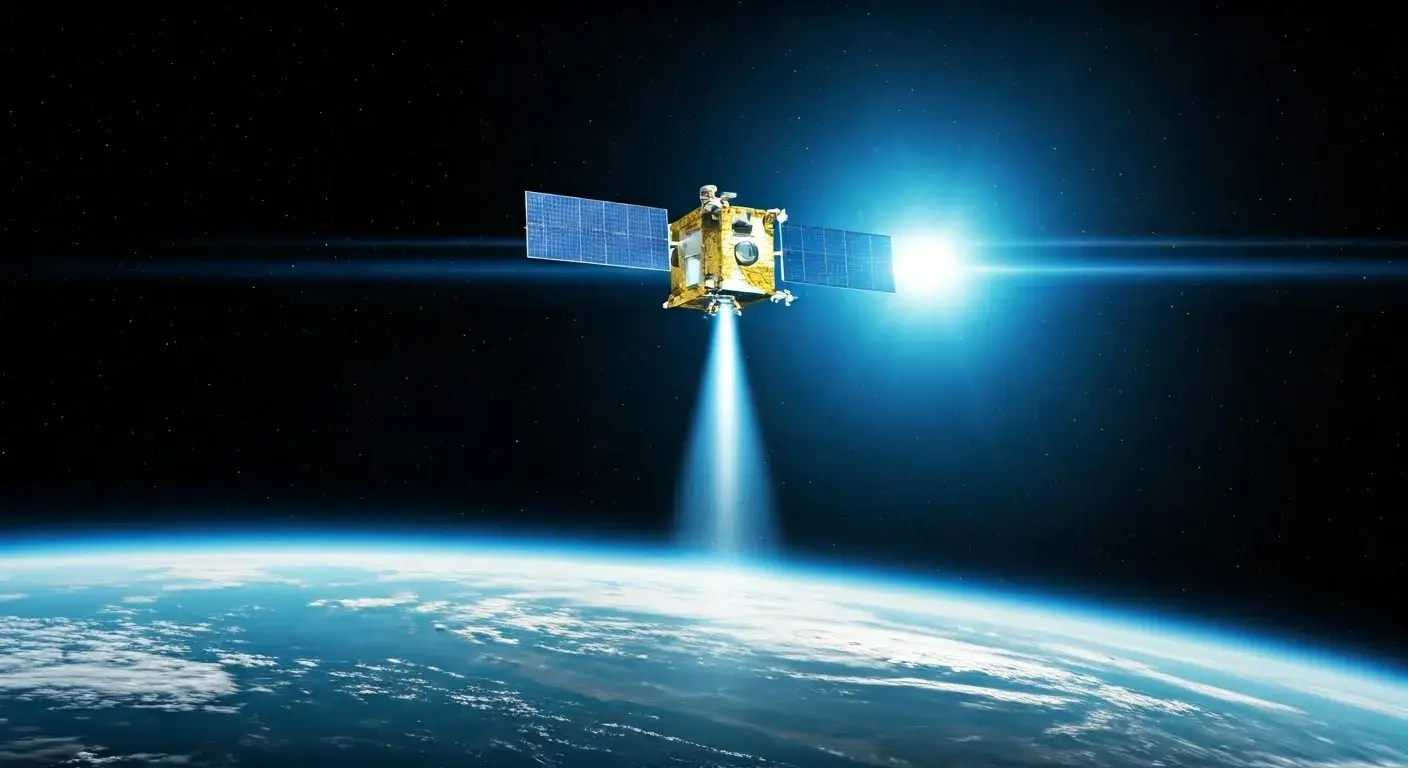
In an increasingly interconnected world, reliable internet access is no longer a luxury but a necessity. Viasat WiFi emerges as a transformative solution, offering a robust gateway to global communications, even in the most remote or underserved locations. This comprehensive guide explores how Viasat is redefining connectivity, empowering individuals and businesses alike.
Understanding Viasat WiFi: The Technology Behind Global Connectivity
Viasat WiFi is powered by cutting-edge satellite technology, designed to overcome the limitations of traditional terrestrial internet infrastructure. Unlike fiber optic or DSL, which rely on physical cables, Viasat utilizes a network of advanced satellites orbiting the Earth. These satellites act as relays, transmitting data between ground stations and user terminals. This approach allows Viasat to provide high-speed internet access to virtually any location with a clear view of the sky.
How Satellite Internet Works
The fundamental principle behind Viasat's service involves a two-way communication system. When you request data, such as loading a webpage, your Viasat modem sends a signal to the satellite. The satellite then relays this request to a ground station, which accesses the internet and retrieves the information. This data is then sent back to the satellite and finally to your modem, where it's decoded and displayed on your device. The speed of this process is influenced by factors like the distance to the satellite and atmospheric conditions, but Viasat's advanced technology minimizes latency and maximizes throughput.
Key Components of a Viasat System
- Satellite Dish (Terminal): This is the external antenna installed at your location. It's responsible for sending and receiving signals to and from the Viasat satellite. The size and design of the dish are optimized for efficient signal capture and transmission.
- Modem: The Viasat modem connects to the satellite dish and your home or business network. It translates the satellite signals into data that your devices can understand and vice versa.
- Router: While often integrated into the modem, a separate router can be used to create a WiFi network, allowing multiple devices to connect wirelessly to the internet.
- Viasat Satellites: These are sophisticated spacecraft equipped with powerful transponders that facilitate communication across vast distances. Viasat operates a constellation of geostationary satellites, ensuring continuous coverage over specific regions.
- Ground Stations: These are terrestrial facilities that connect the satellite network to the global internet backbone. They manage traffic, maintain satellite operations, and ensure the integrity of the network.
The Evolution of Satellite Technology
Satellite internet has come a long way since its inception. Early satellite services were often characterized by high latency and slow speeds, making them unsuitable for many modern internet applications. Viasat has been at the forefront of innovation, developing next-generation satellites and ground systems that significantly improve performance. Their Viasat-3 constellation, for instance, represents a leap forward in satellite capacity and speed, promising even more robust connectivity for users worldwide. These advancements have made satellite internet a viable and often superior option for many users.
Generations of Viasat Satellites
- Viasat-1: This pioneering satellite, launched in 2011, significantly boosted internet speeds and capacity for Viasat's network, making satellite broadband more competitive.
- Viasat-2: Launched in 2017, Viasat-2 further enhanced capacity and coverage, offering improved performance and enabling new service tiers.
- Viasat-3: This is Viasat's most ambitious project, consisting of three ultra-high-capacity satellites designed to provide continent-scale coverage with unprecedented speeds and low latency. The first Viasat-3 satellite, targeting the Americas, began service in 2023, with subsequent satellites covering Europe, the Middle East, Africa, and Asia-Pacific. This generation is crucial for bridging the digital divide globally.
The Unparalleled Benefits of Choosing Viasat WiFi
The advantages of Viasat WiFi extend far beyond simply providing an internet connection. It offers a comprehensive solution that addresses the unique challenges faced by users in various environments. From enhanced productivity to improved quality of life, Viasat empowers its users in numerous ways.
Ubiquitous Coverage
Perhaps the most significant benefit of Viasat WiFi is its ability to provide internet access in areas where traditional broadband is unavailable or unreliable. This includes rural communities, remote rural areas, developing regions, and even locations like ships at sea or aircraft in flight. Viasat's satellite network blankets vast geographical areas, ensuring that connectivity is not limited by the presence of physical infrastructure. This is particularly crucial in 2025-26 as the demand for remote work and digital services continues to grow.
Bridging the Digital Divide
The digital divide, the gap between those who have access to modern information and communication technology and those who do not, remains a significant global challenge. Viasat plays a vital role in bridging this divide by bringing high-speed internet to underserved populations. This access opens up opportunities for education, healthcare, economic development, and social inclusion. For example, in many rural communities in 2025, Viasat enables students to access online learning resources and participate in virtual classrooms, leveling the playing field with their urban counterparts.
High-Speed Performance
Contrary to outdated perceptions of satellite internet, Viasat offers speeds that are competitive with, and often superior to, many terrestrial broadband options, especially in areas with limited DSL or cable availability. With the Viasat-3 constellation now operational, users can expect download speeds that support streaming high-definition video, video conferencing, online gaming, and rapid file downloads. This performance is critical for businesses that rely on cloud-based applications and real-time data exchange.
Speed and Latency Improvements (2025-26 Outlook)
As of 2025-26, Viasat is continuously optimizing its network. The Viasat-3 satellites are designed to deliver speeds of up to 1 Gbps for certain applications and significantly reduced latency compared to previous generations. This means a more responsive internet experience, making video calls smoother and online gaming more enjoyable. For businesses, this translates to increased efficiency and the ability to leverage advanced digital tools without performance bottlenecks.
Reliability and Resilience
Viasat's satellite network is inherently resilient. Unlike cable or fiber networks that can be vulnerable to physical damage from storms, construction, or natural disasters, satellite internet relies on a robust space-based infrastructure. While extreme weather can sometimes affect satellite signals (known as rain fade), Viasat's advanced technology and adaptive systems minimize these disruptions. This reliability is paramount for critical services, businesses, and individuals who cannot afford downtime.
Business Continuity and Disaster Recovery
For businesses, Viasat WiFi provides a crucial backup connection or primary service in disaster-prone areas. In the event of a terrestrial network outage, Viasat can ensure that essential business operations continue uninterrupted. This resilience is a key differentiator, especially for industries like emergency services, healthcare, and logistics, where constant connectivity is non-negotiable.
Flexibility and Mobility
Viasat's technology is not confined to fixed locations. Viasat offers solutions for mobile platforms, including aviation and maritime applications. This means that passengers can enjoy WiFi in the sky, and ships can maintain reliable internet connections at sea, enhancing the experience for travelers and enabling efficient operations for maritime businesses. This mobility aspect is a significant advantage in today's interconnected world.
Viasat in Aviation and Maritime
In the aviation sector, Viasat is a leading provider of in-flight connectivity, transforming the passenger experience. For maritime operations, Viasat ensures that vessels can stay connected for navigation, communication, crew welfare, and business operations, regardless of their location on the globe. These solutions are critical for modern transportation and logistics in 2025-26.
Viasat WiFi vs. The Competition: A 2025-26 Deep Dive
When considering satellite internet providers, Viasat stands out due to its technological advancements and global reach. However, understanding how it stacks up against other satellite providers and even some terrestrial options is crucial for making an informed decision.
Viasat vs. Other Satellite Providers
The satellite internet landscape includes providers like Starlink (SpaceX), HughesNet, and others. While all offer internet via satellites, their technology, network architecture, and service offerings differ significantly.
Comparison Table: Viasat vs. Starlink vs. HughesNet (2025-26 Data)
| Feature | Viasat WiFi | Starlink (SpaceX) | HughesNet |
|---|---|---|---|
| Technology | High-capacity geostationary satellites (e.g., Viasat-3) | Low Earth Orbit (LEO) satellite constellation | Geostationary satellites |
| Typical Download Speeds (2025-26) | Up to 100 Mbps (standard plans), higher with Viasat-3 | 50-250 Mbps (variable, improving) | Up to 25 Mbps |
| Latency (Approximate) | 500-700 ms (geostationary) | 20-40 ms (LEO) | 600-800 ms (geostationary) |
| Coverage Area | Global (with Viasat-3 constellation) | Expanding rapidly, but may have regional limitations | Primarily North and South America |
| Data Caps | Varies by plan, often with priority data | Often "unlimited" with potential for speed throttling after a threshold | Typically has strict data caps |
| Ideal For | Remote locations, businesses needing broad coverage, aviation, maritime | Users seeking lower latency, gamers, early adopters, areas with limited options | Basic internet needs in areas with few alternatives |
Key Differentiators: Viasat's strength lies in its unparalleled global coverage, especially with the Viasat-3 constellation, making it ideal for businesses and applications requiring consistent connectivity across vast regions. While Starlink offers lower latency due to its LEO satellites, Viasat's geostationary approach provides broader, more stable coverage for many use cases. HughesNet, while a long-standing provider, generally offers lower speeds and more restrictive data caps compared to Viasat and Starlink.
Viasat vs. Terrestrial Broadband (DSL, Cable, Fiber)
In areas where terrestrial broadband is available, it often offers lower latency and potentially higher speeds at a lower cost. However, the primary advantage of Viasat remains its ability to provide service where these options are non-existent or inadequate.
When Viasat Outperforms Terrestrial Options
- Rural and Remote Locations: The most obvious scenario where Viasat excels is in areas lacking fiber, cable, or even reliable DSL infrastructure.
- Mobility Requirements: For aircraft, ships, and vehicles, Viasat's mobile solutions are unmatched by terrestrial providers.
- Redundancy and Backup: Businesses can use Viasat as a secondary connection to ensure continuity if their primary terrestrial link fails.
- Areas with Poor Terrestrial Performance: Even in areas with some terrestrial options, the quality can be poor or inconsistent. Viasat can offer a more reliable and faster alternative.
By 2025-26, the demand for high-speed internet in all locations is only increasing. Viasat's strategic advantage is its ability to meet this demand irrespective of geographical limitations, offering a truly global solution.
Getting Started with Viasat WiFi: A Step-by-Step Guide
Embarking on your Viasat WiFi journey is a straightforward process designed to get you connected quickly and efficiently. The installation is typically handled by certified Viasat technicians, ensuring optimal performance from the outset.
Step 1: Determine Service Availability
The first step is to check if Viasat service is available at your specific location. You can do this by visiting the Viasat website or contacting their sales representatives. They will use your address to confirm coverage and available plans.
Step 2: Choose Your Plan
Viasat offers a range of internet plans tailored to different needs and budgets. Consider your typical internet usage – do you primarily browse the web, stream videos, play online games, or run a business? Your usage patterns will help you select a plan with appropriate download speeds and data allowances. Plans in 2025-26 are increasingly focused on higher data tiers and priority access for critical applications.
Factors to Consider When Choosing a Plan:
- Download and Upload Speeds: Higher speeds are better for streaming, large downloads, and multiple users.
- Data Allowance: Understand the monthly data cap and any policies regarding data overages or speed throttling. Viasat plans often include "unlimited" data with priority access for a certain amount, followed by slower speeds.
- Contract Length: Some plans may require a contract, while others offer month-to-month options.
- Equipment Costs: The satellite dish and modem are typically leased or included with installation, but understand any associated fees.
Step 3: Schedule Installation
Once you've selected a plan, you'll schedule an installation appointment with a Viasat-certified technician. The technician will assess your property to find the optimal location for the satellite dish, ensuring it has a clear view of the southern sky (for North American installations) or the appropriate sky view for your region.
The Installation Process:
A typical Viasat installation involves the following:
- Dish Mounting: The technician will securely mount the satellite dish on your roof, a pole, or a wall.
- Cable Run: A coaxial cable will be run from the dish into your home or business.
- Modem Setup: The Viasat modem will be connected to the cable and powered on.
- System Activation: The technician will activate your service and perform tests to ensure optimal signal strength and internet speed.
- WiFi Configuration: If you have a Viasat modem with built-in WiFi, or if you are using your own router, the technician will help you set up your wireless network.
Step 4: Connect Your Devices
After the installation is complete and your service is active, you can connect your computers, smartphones, tablets, smart TVs, and other WiFi-enabled devices to your Viasat network. You can connect via WiFi or, for a more stable connection, use an Ethernet cable to connect devices directly to the Viasat modem or your router.
Optimizing Your Viasat WiFi Experience
- Router Placement: Position your router in a central location in your home for the best WiFi signal coverage.
- Minimize Interference: Keep your router away from other electronic devices that can cause interference, such as microwaves and cordless phones.
- Secure Your Network: Always use a strong password for your WiFi network to prevent unauthorized access.
- Monitor Data Usage: Keep track of your data usage through your Viasat account portal to avoid exceeding your plan's limits and experiencing speed reductions.
Viasat WiFi in Action: Real-World Applications and Success Stories
Viasat WiFi is not just a theoretical solution; it's actively transforming lives and businesses across the globe. Its impact is felt in diverse sectors, from enabling remote education to powering critical infrastructure.
Empowering Rural Communities
In many rural areas, Viasat has become the lifeline for internet access. For instance, in agricultural regions, farmers can now access real-time weather data, market prices, and advanced farming techniques online, improving crop yields and operational efficiency. Students in these communities can participate in online learning, access research materials, and connect with educators, bridging the educational gap.
"Before Viasat, our small town had dial-up speeds at best. Now, my kids can do their homework online, and I can run my online store from home. It's a game-changer for our community." - Sarah K., Rural Resident, 2025.
Supporting Businesses in Remote Locations
Businesses operating in remote areas, such as mining operations, construction sites, or remote research facilities, rely heavily on Viasat for communication and data management. This includes video conferencing for remote team meetings, accessing cloud-based enterprise resource planning (ERP) systems, and maintaining communication with headquarters. The reliability of Viasat ensures that these operations can run smoothly and efficiently, even miles away from urban centers.
Case Study: Remote Hospitality
A remote eco-lodge in a national park, previously disconnected, implemented Viasat WiFi. This allowed them to:
- Offer guests reliable internet access, enhancing the guest experience and attracting more visitors.
- Implement online booking systems and digital payment processing.
- Streamline inventory management and communication with suppliers.
- Provide staff with access to training and communication tools.
This transformation significantly boosted the lodge's revenue and operational efficiency.
Transforming Transportation and Travel
Viasat's in-flight connectivity solutions have revolutionized air travel. Passengers can now stay connected with emails, social media, and even stream entertainment during their flights. This enhances the passenger experience and offers airlines a new avenue for in-flight services and advertising. Similarly, Viasat's maritime solutions ensure that commercial vessels and cruise ships maintain constant connectivity, improving crew morale, operational efficiency, and passenger satisfaction.
Statistics on In-Flight Connectivity (2025 Projections):
Industry analysts predict that by 2025, over 80% of commercial flights will offer some form of WiFi. Viasat is a key player in this growth, with its high-capacity systems enabling a truly connected cabin experience. The demand for seamless connectivity in transit is a major driver for Viasat's continued innovation in this sector.
Enabling Critical Services
In disaster relief scenarios or in areas with fragile infrastructure, Viasat provides a vital communication link for emergency services, healthcare providers, and government agencies. This ensures that critical information can be transmitted quickly, aiding in response efforts and maintaining public safety. For example, temporary Viasat terminals can be deployed to set up communication hubs in disaster zones, facilitating coordination among first responders.
The Future of Viasat WiFi: Innovations and Expansion
Viasat is not resting on its laurels. The company is continuously investing in research and development to push the boundaries of satellite communications. The future of Viasat WiFi is bright, with a focus on expanding coverage, increasing speeds, and reducing latency even further.
The Viasat-3 Constellation and Beyond
The Viasat-3 constellation represents a significant leap in satellite technology. These ultra-high-capacity satellites are designed to deliver terabits of data per second, enabling new applications and services. As these satellites become fully operational across all regions by 2025-26, they will dramatically increase Viasat's capacity and global reach. This expansion is crucial for meeting the growing global demand for high-speed internet.
Technological Advancements on the Horizon:
- Higher Throughput Satellites: Future satellite generations will likely offer even greater capacity, enabling higher speeds and lower costs per bit.
- Improved Antenna Technology: More efficient and compact user terminals will make Viasat more accessible and easier to deploy.
- Integration with 5G and Other Networks: Viasat is exploring ways to integrate its satellite services with terrestrial networks, creating hybrid solutions that offer the best of both worlds.
- Edge Computing and IoT: The massive data capacity of Viasat's future satellites will support the growth of the Internet of Things (IoT) and enable edge computing applications in remote locations.
Expanding Global Reach
Viasat's strategic goal is to connect the unconnected. The Viasat-3 constellation is specifically designed to provide comprehensive coverage across the Americas, Europe, the Middle East, Africa, and the Asia-Pacific region. This global expansion is vital for democratizing internet access and fostering economic development worldwide. By 2026, Viasat aims to be a leading provider of connectivity solutions on every continent.
New Service Offerings
With increased capacity and improved performance, Viasat is poised to introduce a range of new services. This could include enhanced video conferencing capabilities, virtual and augmented reality experiences in remote areas, and specialized solutions for industries like autonomous vehicles and smart agriculture. The potential applications are vast, driven by the increasing demand for high-bandwidth, low-latency connectivity.
Conclusion: Embracing the Connected World with Viasat WiFi
In conclusion, Viasat WiFi stands as a pivotal force in global communications, offering a robust, reliable, and high-speed internet solution that transcends geographical limitations. As we navigate an increasingly digital world in 2025-26, the demand for ubiquitous connectivity is paramount. Viasat not only meets this demand but redefines it, bringing the power of the internet to remote communities, mobile platforms, and underserved businesses.
From its advanced satellite technology and the transformative capabilities of the Viasat-3 constellation to its user-friendly installation process and diverse applications, Viasat provides an unparalleled gateway to the digital realm. Whether you are a remote resident seeking better educational opportunities, a business requiring seamless operations in challenging locations, or an airline aiming to enhance passenger experience, Viasat WiFi offers a compelling and effective solution.
Embrace the future of connectivity. Explore Viasat WiFi today and discover how it can empower your life, your business, and your community to thrive in our interconnected global landscape.